Posterior Chain – It’s More Than Junk in the Trunk
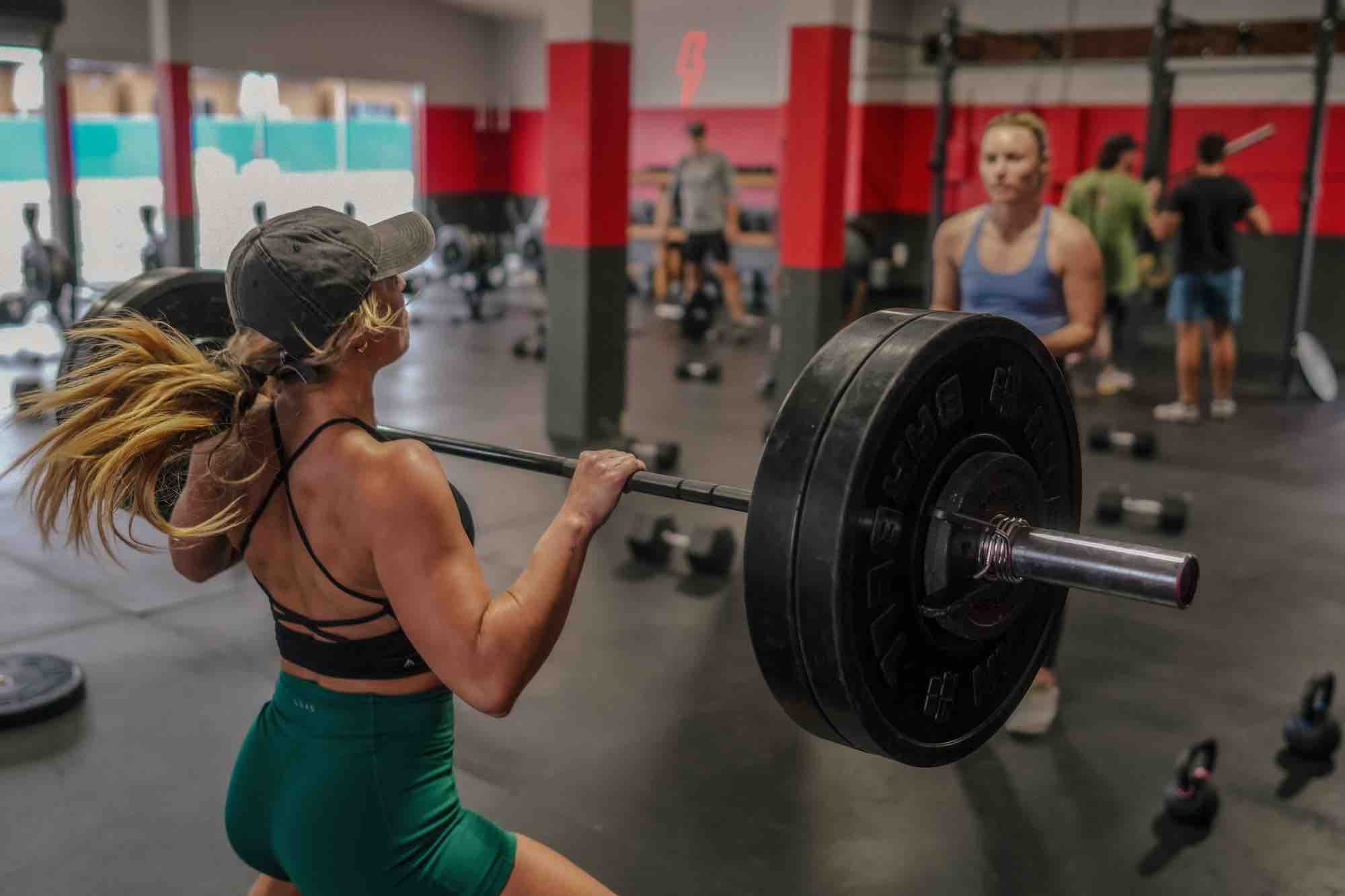
The posterior chain is your engine room. These are the muscles that runs along the backside of your body, including your glutes, hamstrings, spinal erectors, lats, and traps. It is the power source for sprinting, jumping, lifting, and stabilizing. Neglect it and you set yourself up for plateaus and injuries. Train it and you unlock performance across every goal.
The Performance Goal: Be Stronger and More Explosive
If your goal is to perform like an athlete, the posterior chain cannot be ignored. Strong glutes and hamstrings create the drive for sprinting speed and vertical jump power. A resilient lower back and spinal erectors stabilize heavy lifts and protect against breakdown under load.
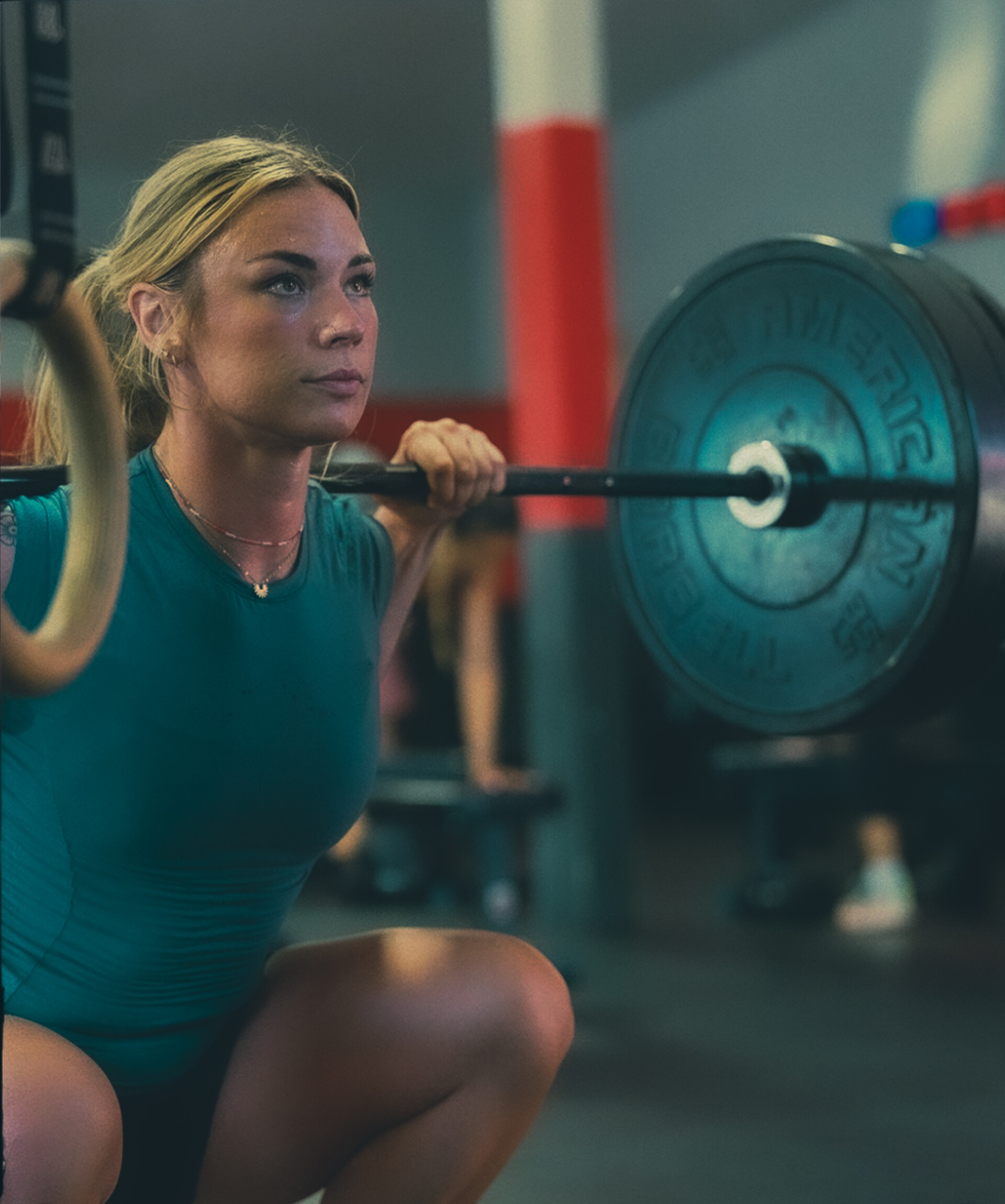
For those of you who pursue big lifts and PRs in the gym, it is simply not possible to progress without continuing to train the posterior chain with a high degree of consistency and intensity.
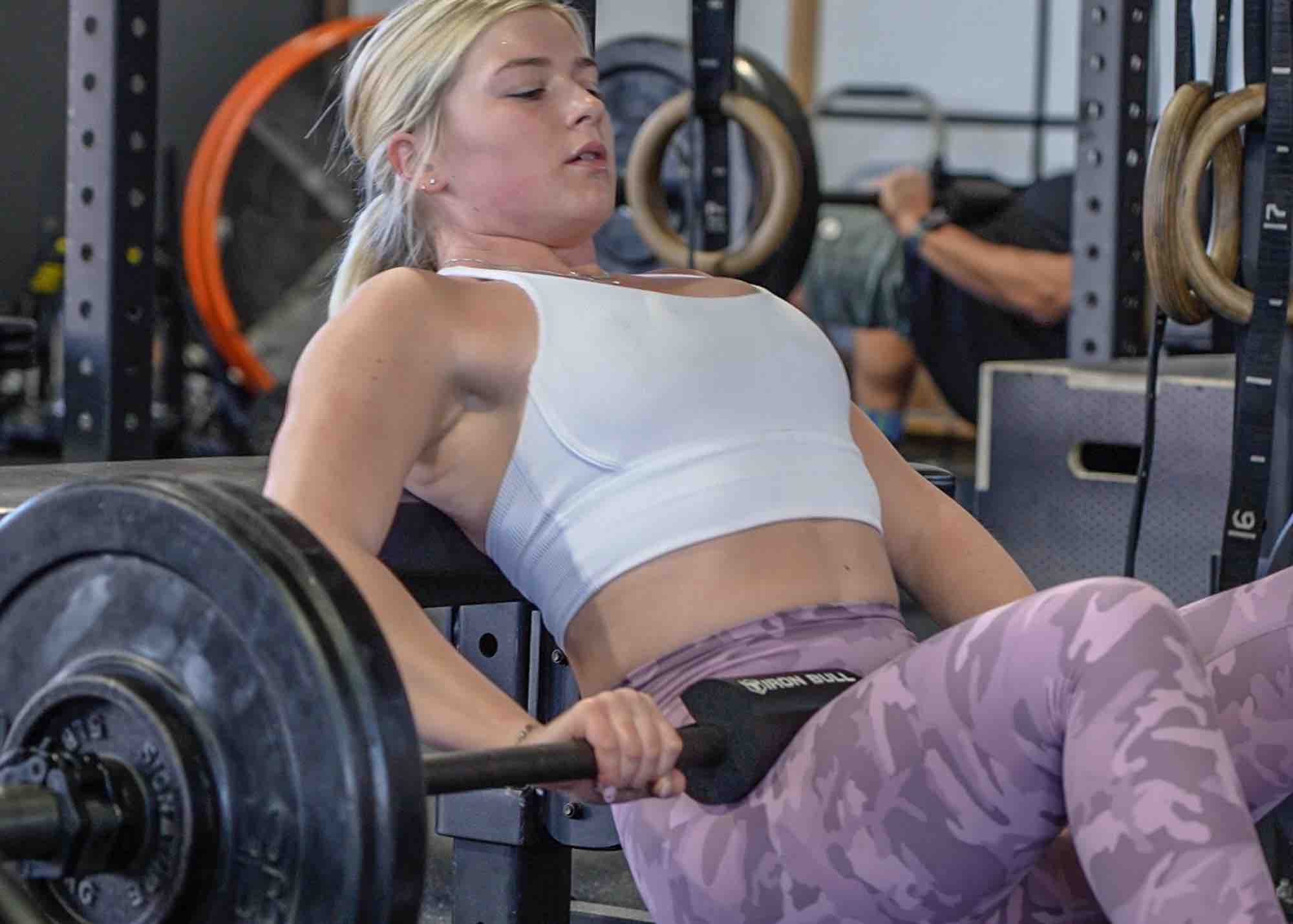
Exercises like deadlifts, hip thrusts, lunges, and kettlebell swings all target the muscles that produce force from the ground up. When you improve these muscles, you improve the very foundation of athletic performance.
The Aesthetics Goal: Build the Physique People Actually Notice
Let’s be serious. Everyone wants an ass and everyone wants a back that looks shredded. Well-developed glutes are not just about strength, they are also one of the most noticeable markers of a fit body. Aesthetics are not just about the mirror muscles. They are about symmetry, balance, and proportions. Training the posterior chain ensures you do not look top heavy or uneven. It builds the kind of physique that looks athletic, not just decorative.
The Endurance Goal: Go Farther, Stay Healthier
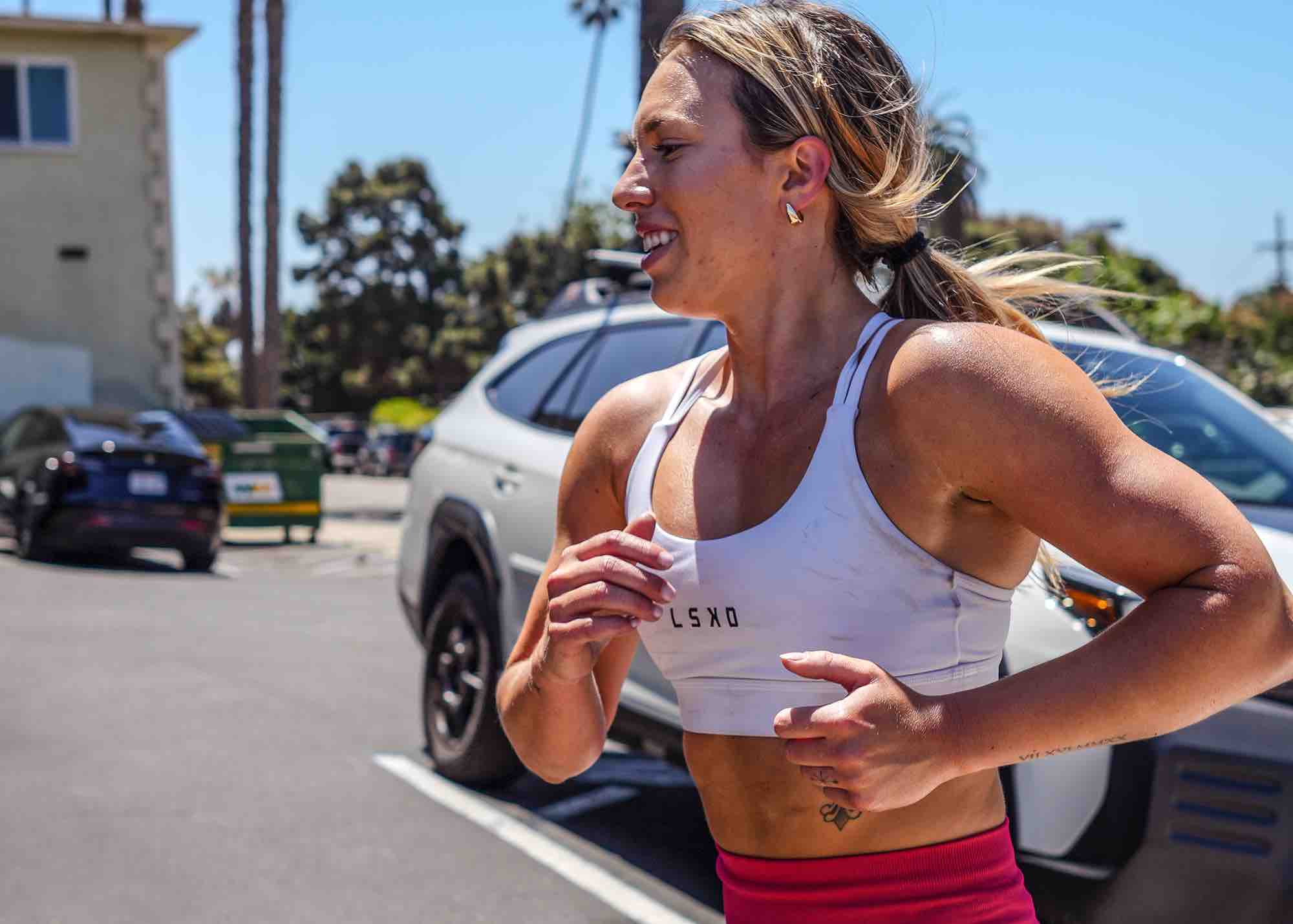
Endurance athletes might think posterior chain training is not for them, but it is one of the most important tools for injury prevention and sustainable performance. Running, cycling, and hybrid sports all place huge demands on the glutes, hamstrings, and lower back. If these muscles are weak, the stress shifts to the knees, hips, and spine, creating breakdown over time.
A stronger posterior chain improves stride efficiency, power per pedal stroke, and rowing drive. It also supports posture, keeping the shoulders and spine aligned during long bouts of training. This means better energy transfer, fewer overuse injuries, and more longevity in your sport.
Your posterior chain is the hidden key to strength, power, aesthetics, and durability. If you want to perform like an athlete, look balanced and powerful, or go the distance in endurance sports, it starts with the muscles on your backside. Train them regularly with movements like deadlifts, hip hinges, carries, and rows.
Respect the posterior chain and it will repay you in every area of your training.