Contrast Training 101: Doubling Up Where It Counts
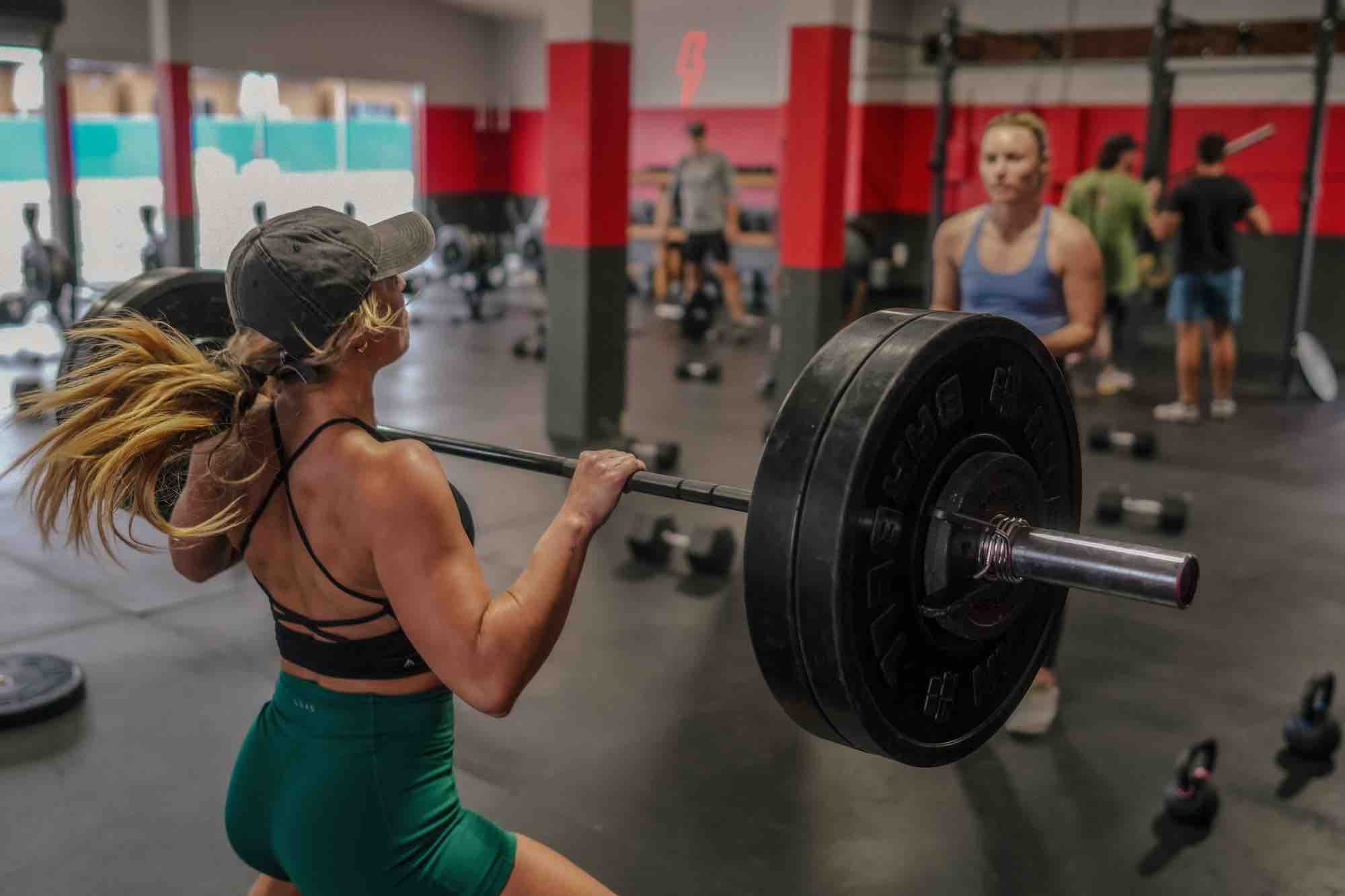
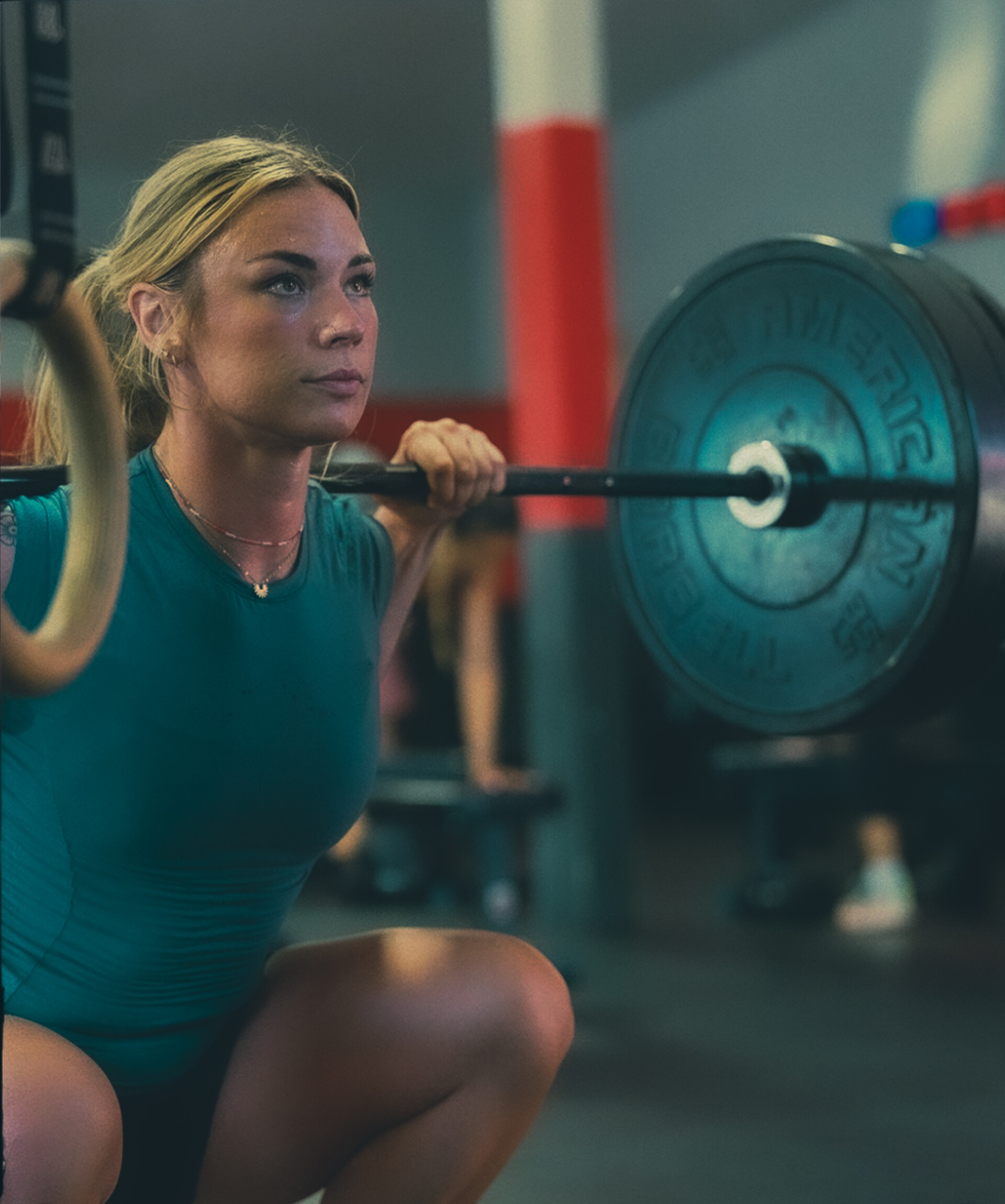
Contrast training is a tool that taps into a principle called post-activation potentiation (PAP). This is when we pair a heavy, slow lift with a fast, explosive movement that uses the same muscle groups. For example, a heavy back squat followed by a set of box jumps like we see on Monday.
The idea is that a heavy lift, such as a squat at heavy weight, “primes” the nervous system by increasing the excitability of motor units and muscle fibers, which allows the muscle to contract more forcefully in the moments following the heavy lift. The result is improved rate of force development and power output during the explosive movement that follows. Studies in the Journal of Strength and Conditioning Research have shown that PAP can significantly enhance performance in activities like jumping, sprinting, and barbell lifts.
Beyond that, PAP also has benefits for improving your anaerobic conditioning and muscle development.
Let’s take a look.
Strength Benefits
The heavy portion of a contrast pair primes your nervous system for the explosive portion that follows. In practice, this week those pairings include:
Monday: Back Squat + Box Jump
Thursday: Hang Power Clean + Broad Jumps
Pairing hang power cleans with broad jumps combines explosive triple extension under heavy load (hang power clean) with an unloaded, horizontal power movement (broad jumps). The hang power clean trains your body to generate force quickly through the hips, knees, and ankles, while the broad jump applies that same triple extension pattern in a bodyweight setting.
This pairing improves both your maximal strength in the clean and your rate of force development within the workout.
Muscle Benefits
Contrast training also builds muscle by targeting multiple fiber types in a single session. The heavy lift activates fast-twitch fibers under high tension, while the explosive movement recruits them again in a high-speed, low-load environment. For this week, those pairings include:
Tuesday: Push Press + Plyo Push-Ups
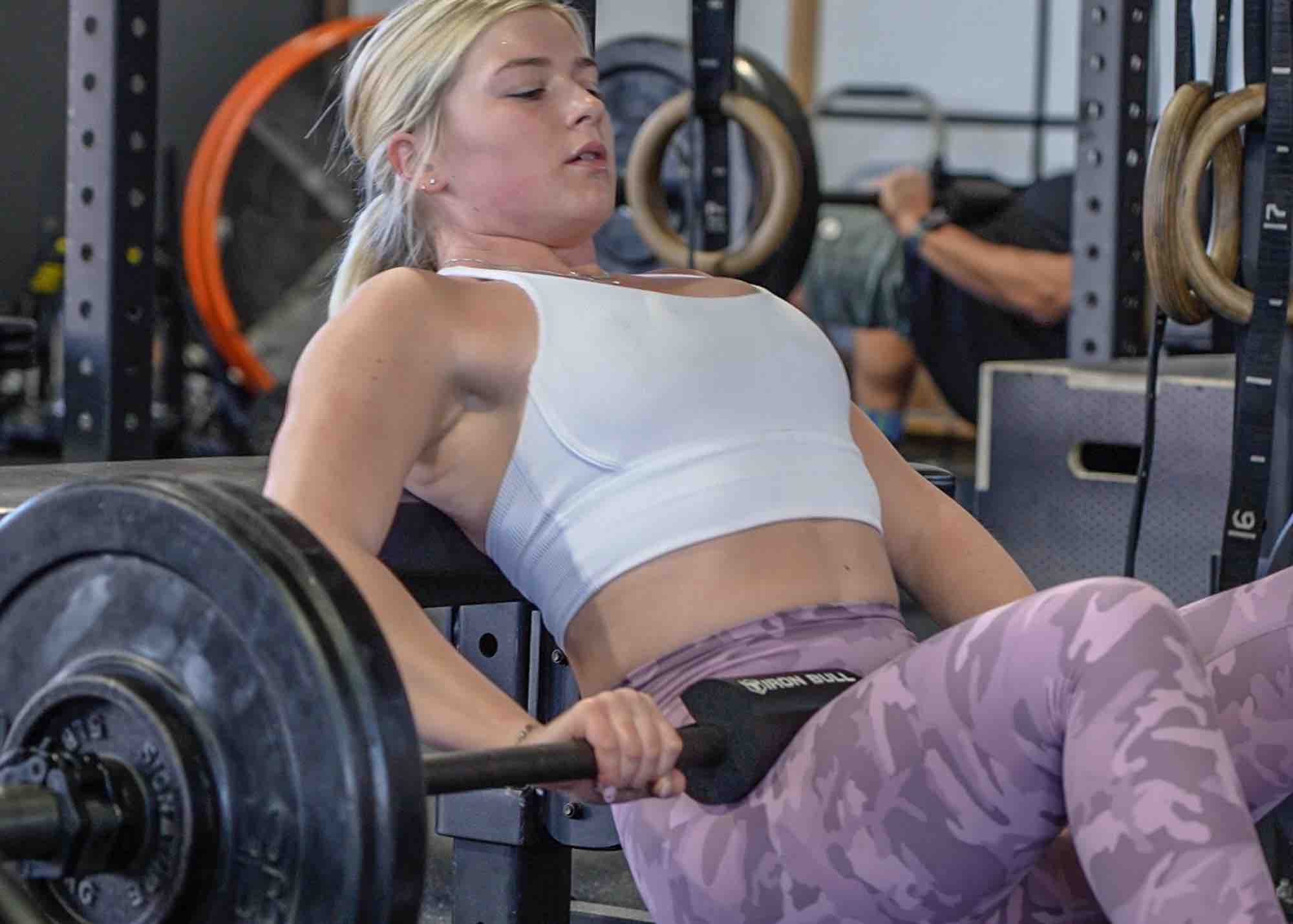
Friday: Hip Thrust + KB Swings
A study in The International Journal of Sports Physiology and Performance highlighted that PAP-style pairings increase type II fiber activation, which plays a major role in muscle growth and strength (as we learned from this video we made a few weeks back).
This combination can create a stronger hypertrophy response especially when the body is not used to the stimulus.
Conditioning Benefits
Contrast training is not just a strength and power tool. It also delivers a unique conditioning stimulus because of the way it blends heavy, high-force movements with fast, high-velocity work in short bursts. Each pairing taxes both the anaerobic and aerobic systems in the same session. Such as:
Wednesday: Deadlifts + MB Lateral Bounds
The heavy lift (deadlift) primarily challenges the phosphagen system, your body’s immediate energy system for short-duration, high-intensity efforts. This demands maximum force output and rapid motor unit recruitment, both of which are metabolically “expensive.” The explosive movement that follows (MB lateral bounds ) pushes the glycolytic system, forcing your body to sustain high-intensity work for slightly longer bouts. Between sets, the aerobic system is working to replenish phosphocreatine stores, clear lactate, and restore oxygen levels.
This means you are training all three energy systems in a coordinated way, improving not just your ability to produce force but also your ability to recover and repeat efforts.
When contrast training is applied over time, you develop what’s referred to as “repeatable power” — the ability to generate high outputs multiple times without a significant drop-off which translates into better performance in sports, greater work capacity in the gym, and a higher ceiling for how hard you can train without gassing out.
Drawback
The one major drawback is that in the short term, because the paired movements use the same muscle groups, contrast training can make you a bit more sore than normal in the muscles used. So if this happens, don’t worry about it too much. It’s new, concentrated stimulus and that always has a bit of a high footprint on your week.
Takeaway
Contrast training blends strength, muscle-building, and conditioning into one effective method. It makes you stronger, more explosive, and better conditioned, all while keeping training sessions efficient. Whether you are chasing PRs, building muscle, or improving athletic performance, contrast training is a great tool to add to our workouts here at P360.
Enjoy the benefits of them this week.